As UNIFIL winds down, Israeli presence in Lebanon complicates handover process
BEIRUT — Officials with the United Nations Interim Force in Lebanon (UNIFIL) are finalizing an exit plan after 48 years of mission operations along the Blue Line, the demarcation line separating Lebanon and Israel. The process will involve the gradual departure of troops and equipment, and the handover of facilities to Lebanese authorities, amid uncertainty over what comes next.
Following an August 2025 decision by United Nation Security Council (UNSC), peacekeeping operations in southern Lebanon will cease at 11:59 p.m. on Dec. 31, with troops expected to begin withdrawing from the country in the first months of 2027. The process is likely to extend until September 2027, rather than conclude in June as initially projected.
“Midnight is when things change,” UNIFIL spokesperson Kandice Ardiel said, referring to the last day of the year. “That’s when legally we no longer have a mandate under Resolution 1701.” According to Ardiel, patrols and monitoring activities, as well as the reporting of violations to the Security Council, will continue until the very end.
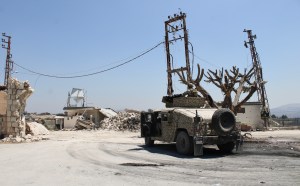
The peacekeeping force currently counts approximately 7,500 military personnel from several countries around the world deployed on the Lebanese side of the border, with the largest troop contingents provided by Italy and Indonesia.
An average of 1,000 troops are expected to leave each month.
Beginning in January 2027, UNIFIL will start decommissioning positions and carrying out the handover process. “Closing the mission and withdrawing is a logistically complicated process, and it’s done in stages,” Ardiel said.
Troops are set to leave the country with the equipment made available by their respective contributing countries, while UN-owned materiel is likely to be transferred to other UN-led missions or organizations. “Some of it will probably be gifted to the Lebanese authorities,” the spokeswoman.
The security situation in southern Lebanon remains tense, with Israeli forces occupying approximately 232 square miles of Lebanese territory (nearly 6% of the country) and carrying out daily demolitions and other military operations. This, coupled with the lack of a clear plan for what will follow UNIFIL’s departure, means that some details of the withdrawal plan remain undefined, as the mission waits to see how the situation unfolds on the ground.
The most complicated topic remains the handover of facilities. “Legally, UNIFIL has to return its positions to the Lebanese authorities, but complications arise when those positions are located in areas where Israeli forces are present,” Ardiel explained. According to her, most of these facilities are located in areas where Israeli forces are present, while Lebanese forces remain absent from those same areas to avoid potential clashes.
If the Lebanese authorities are unable to take physical possession of the positions, the handover could take place on paper only, sources said.

Another possible scenario could see the involvement or the expansion of the United Nations Truce Supervision Organization (UNTSO), which operates in Lebanon through the Observer Group Lebanon (OGL), a much smaller presence that operates out of UNIFIL positions. However, any decision on the matter rests with the Security Council.
Local administrations in the area hold different views on the withdrawal of the peacekeeping force. While some have expressed security concerns about the end of the mission, others are skeptical about its military role and more worried about the additional economic strain it could place on villages closer to the border.
“[The peacekeepers] didn’t prevent uncontrolled weapons in our area,” said Rabih Rashid, a local official from the southern village of Marjayoun. On the other hand, he added, “socially speaking, they have implemented many projects that have greatly helped people and municipalities.”
Closer to the border, people are exceedingly anxious. “UNIFIL’s withdrawal worries residents and all of us, as it will leave a major security vacuum and expose the region to all kind of possibilities,” said Adam Farhat, mayor of southern village of Chebaa. According to Farhat, the absence of anyone to monitor developments on the ground or hold those responsible for violations to account raises fear of further Israeli expansion.
“This is beyond our power as local administrators, but we are calling on all the relevant authorities to work towards keeping these forces in place and renewing their mandate,” he said.
The Lebanese government has repeatedly called for an extension of UNIFIL’s mandate, while countries such as France and Italy have expressed interest in forming an international coalition to support Lebanon. Following the recent visit to Lebanon by U.S. ambassador to the UN Mike Waltz, discussions on the future security arrangements along the Blue Line are expected to intensify in the coming weeks.