This Is What Submarine HMS Vengeance Looks Like After Its Record-Setting Nuclear Deterrence Patrol
The TWZ Newsletter
Weekly insights and analysis on the latest developments in military technology, strategy, and foreign policy.
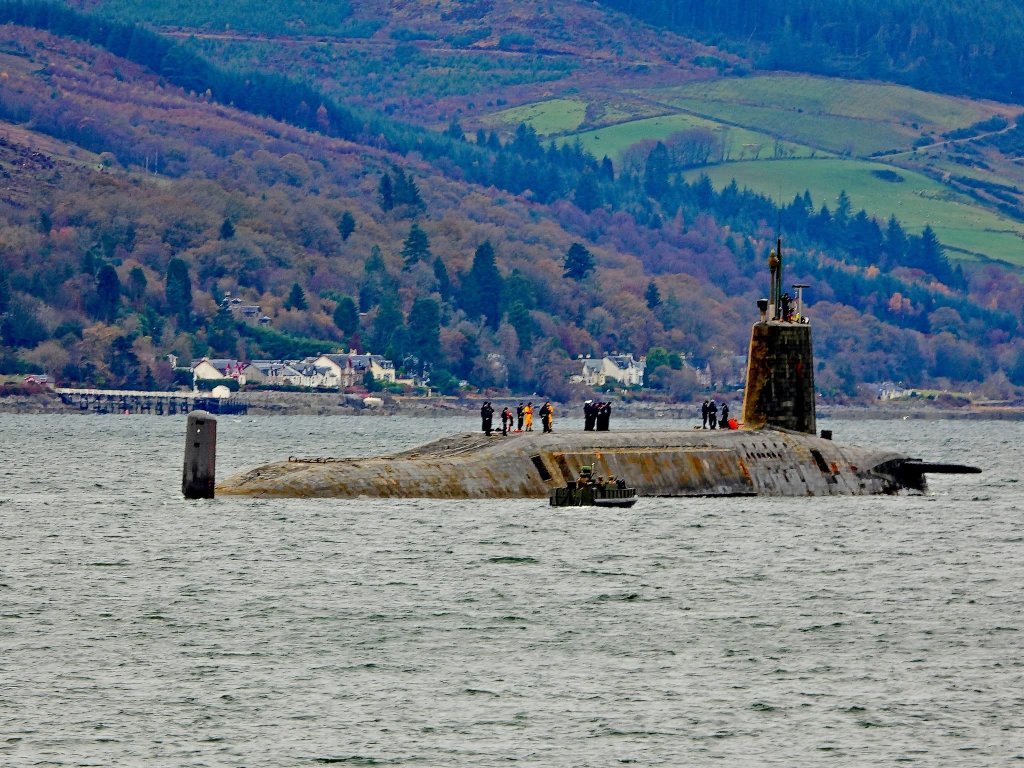
When a Royal Navy Vanguard nuclear ballistic missile submarine finally arrived back at its home port on Sunday, it looked every bit like it had been underway for a reported seven months. Images shared with TWZ show the boat caked in a brownish-green hue, a severe example of “marine [or bio] fouling.” Dripping rust, missing anechoic tiles and plenty of other wear and tear was visible after spending the better part of a year under water.
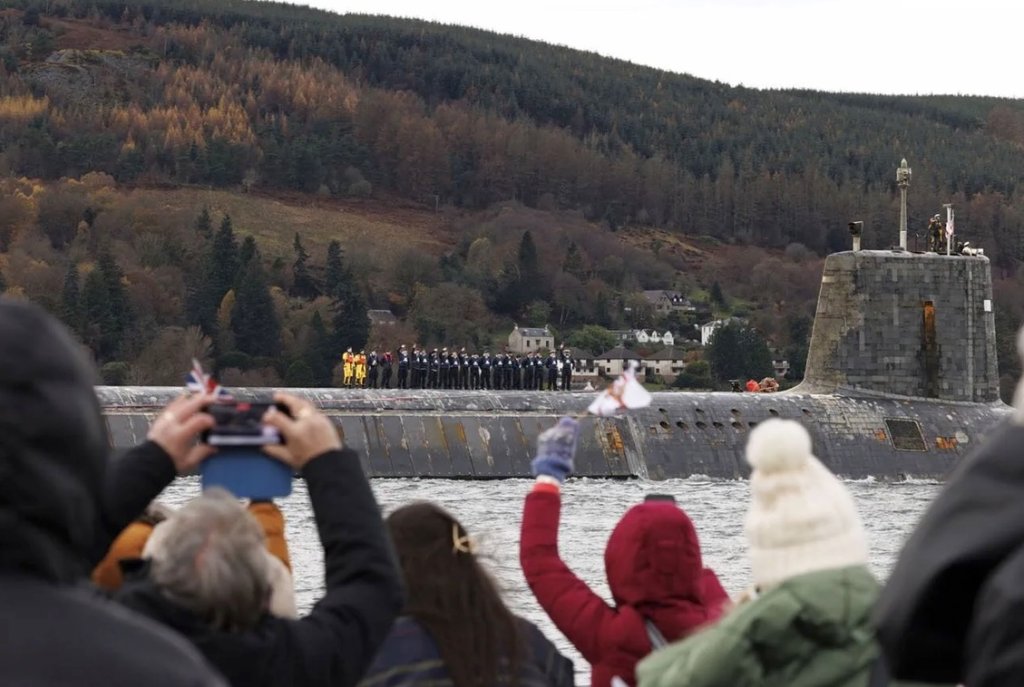
The 15,000-ton HMS Vengeance and its crew of about 140 returned to HM Naval Base Clyde in Scotland after a record-setting nuclear deterrence mission. The patrol was part of Operation Relentless, which “ensures at least one nuclear-powered and armed ballistic missile submarine is at sea at all times, deterring our adversaries and protecting the UK and our NATO allies,” the U.K. government said in a release. “As one submarine returns home, another is already at sea continuing this vital patrol.”
As we’ve indicated in the past, each boat has 16 missile tubes for UGM-133 Trident II submarine-launched ballistic missiles (SLBMs). However, in practice only eight are filled. When on Operation Relentless patrols, Vanguard boats are able to carry a maximum of 40 warheads, with each Trident missile able to carry multiple independently targetable re-entry vehicles (MIRVs).
HMS Vengeance began its patrol on April 12 “and spent 217 days submerged before returning on Sunday, having left the country when Keir Starmer was in Downing Street and Manchester United were third in the Premier League,” The Guardian reported, noting how much had changed since the Vengeance left port.
“Its tour surpasses the previous 205-day record set by HMS Vanguard, and has raised questions about the strains placed on sailors and the reliability of aging submarines sent on the extended missions,” the publication added.
Navy Lookout noted that the patrol “was extended at least a week beyond what was originally planned, as the boat that has now taken over experienced some kind of issue that forced her to return to Faslane [as HM Naval Base Clyde is commonly known] for assistance.”
The quartet of Vanguards, which represent the United Kingdom’s entire nuclear deterrent, has been in service for a long time. The oldest of the boats was commissioned 33 years ago, the youngest 27 years ago.
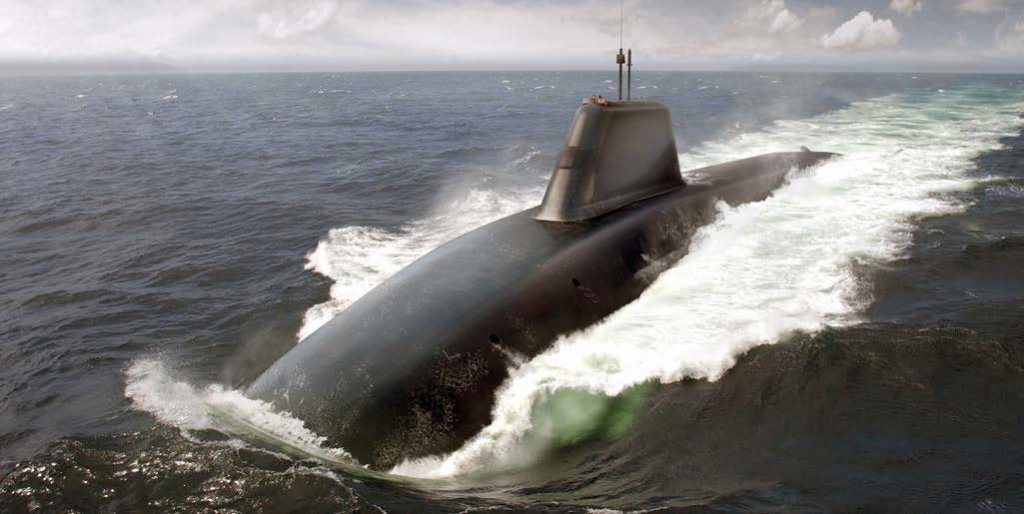
As we have previously reported, the Dreadnought class is not scheduled to enter service until the early 2030s and the estimated total program cost of around $43 billion makes it by far the most expensive single U.K. defense program. That figure notably doesn’t include the cost of replacing the warheads for the Trident missiles.
“Basically, Britain needs more boats. At least one,” urged William Alberque, an analyst for the Pacific Forum.
“The stress on the system is too much and the short-term savings of not maintaining six instead of four means longer term costs on the force and the hulls,” he told us.
The concern about longer deployments is not unique to the Royal Navy. As we have frequently noted in stories about the U.S. Navy, the longer vessels remain deployed, the longer they typically have to spend in port afterward for maintenance. This all has very worrisome cascading impacts on even routine maintenance cycles, let alone deep overhauls and upgrade efforts, as well as personnel management matters, as we have explored in detail in the past.
The issue of ships looking in rough shape after returning from long deployments is a fact of life for all navies.
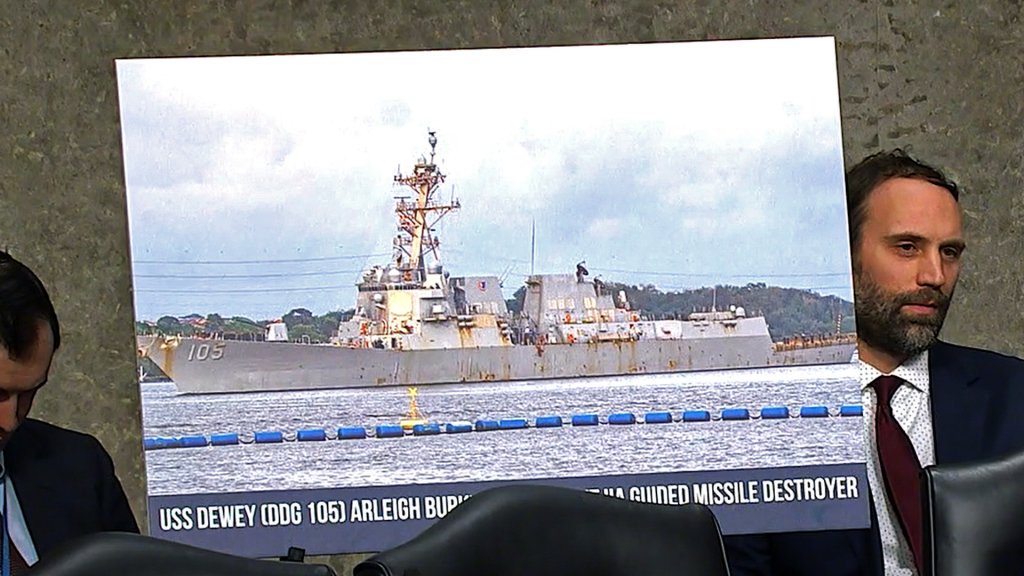
Running rust and caked-on algae have been something of a lightning rod for criticism for the U.S. Navy in recent years, including from President Donald Trump. This is in part due to the negative optics of such visible wear and tear on American naval vessels, especially during calls in foreign ports.
When it comes to a submarine, especially one designed to disappear for months at a time, ‘making a hole in the ocean’ and hiding out there, there is no way to address buildup on the hull and other degradation that occurs with a submerged vessel. While anti-fouling paints can be applied to help prevent buildup of algae, a technique the Royal Navy and U.K. Ministry of Defense continue to explore, anything submerged for that long is going to pick up a lot from its environment.
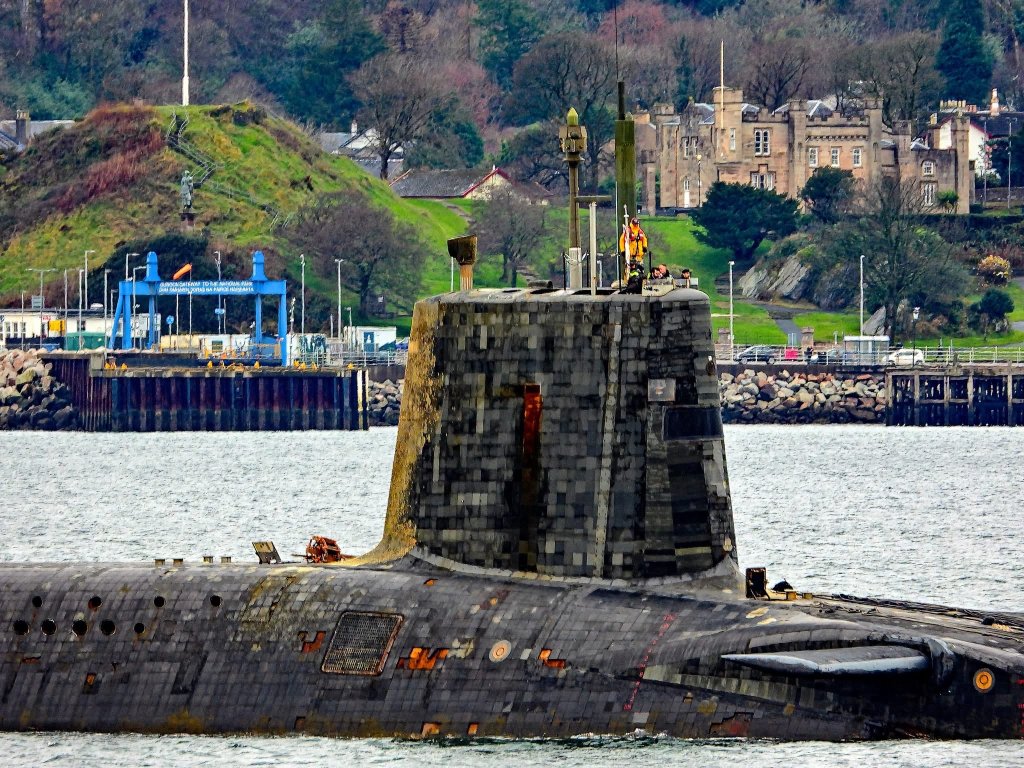
As for the HMS Vengeance, the photos that naval photographer Michael Deveney (X account @MichaelGDeveney) was kind enough to share with us show us just what the ‘patina’ looked like on the submarine after its extended patrol.
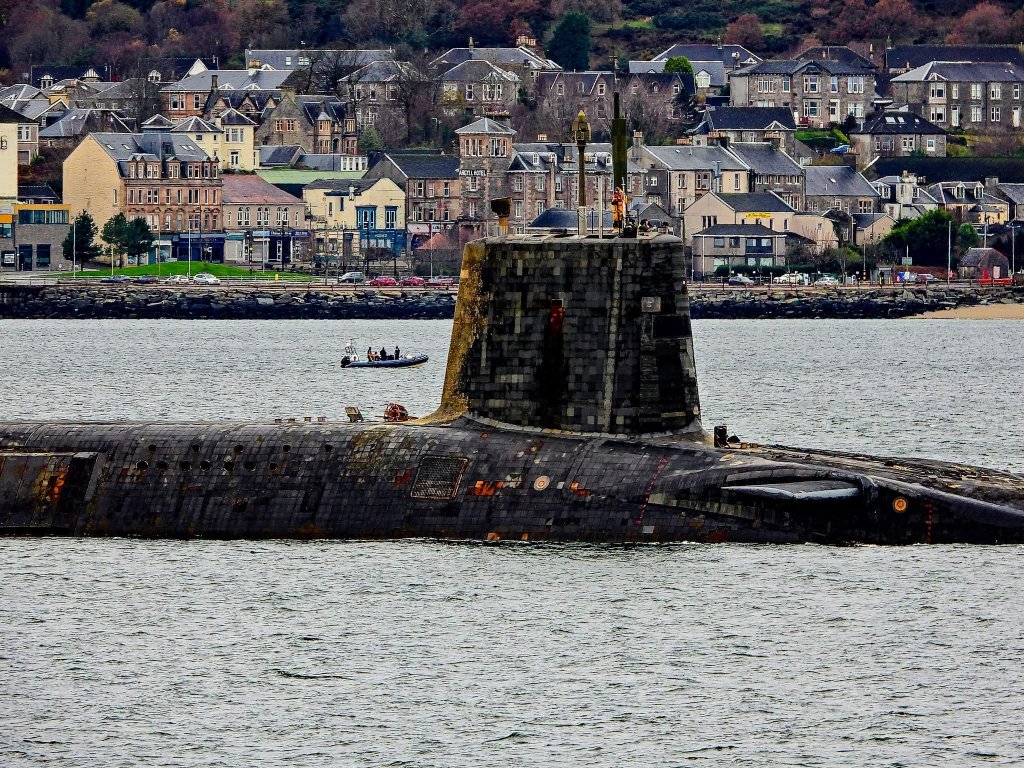
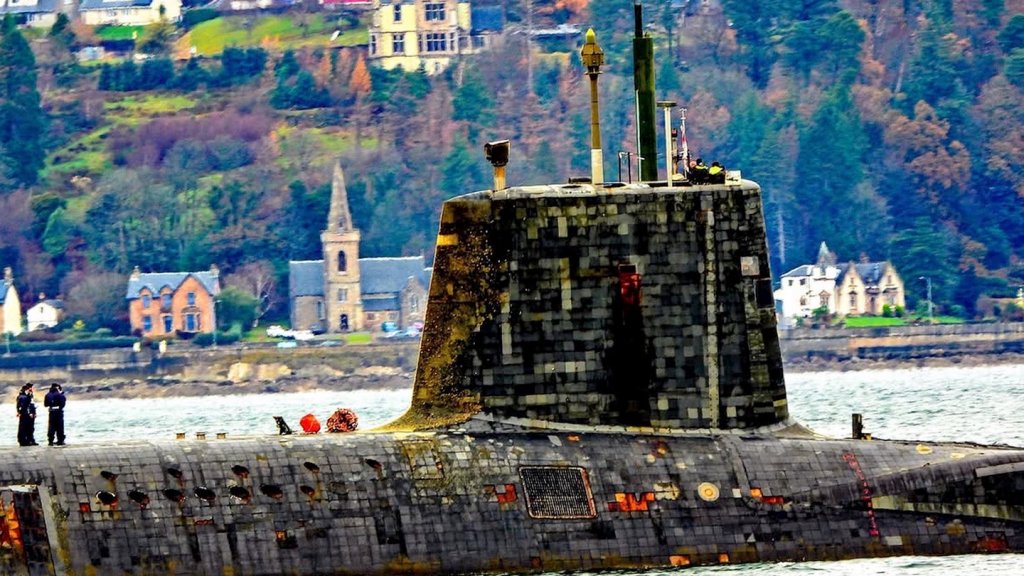
As you can see, many of the hull’s anechoic tiles are missing in the pictures, which is typical after the completion of a long deployment. Anechoic tiles are designed to absorb the sound waves from sonar, as well as minimize the sounds emitted from the sub to reduce the chances of it being detected via passive sonar. The images clearly show areas of corrosion having formed beneath the missing tiles. Its masts are also showing signs of wear from long stretches of saltwater exposure.
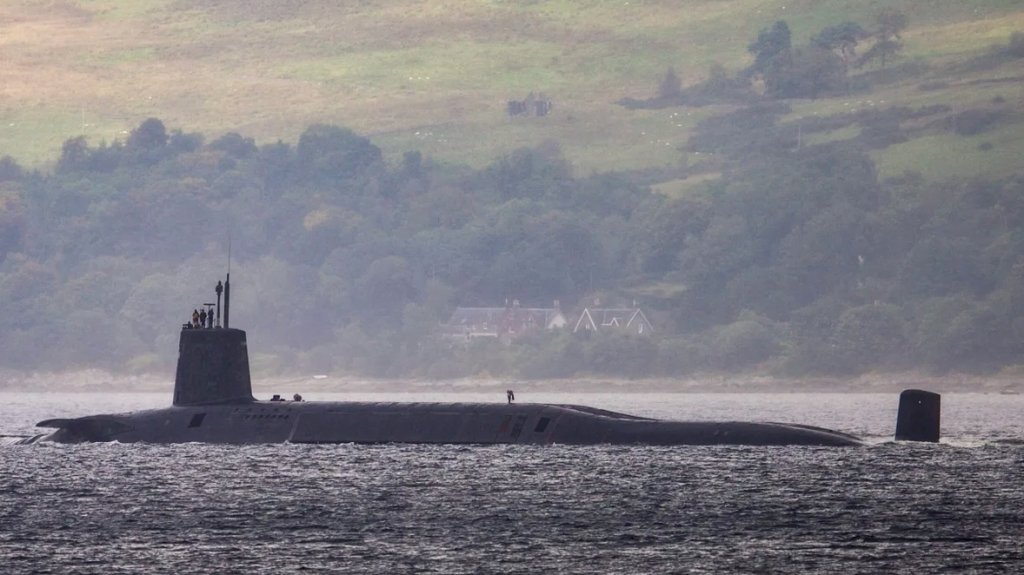
Comparing the pictures of the Vengeance with those taken of a Vanguard class sub outbound from Faslane three years ago reveals just how built-up the marine fouling is.
Tom Shugart, an adjunct senior fellow at the Center for a New American Security (CNAS) think tank and a retired U.S. Navy submarine warfare officer, said the condition of the Vengeance upon arriving in port is a sign of a job well done.
“What jumps out to me is that this appears to be the dirtiest, most sea growth-encrusted, and rustiest in-service submarine I can recall seeing—and also that it is entirely appropriate for it to look that way after being at sea for such an incredibly long time,” Shugart explained after viewing the photos we sent him. “My hat is off to the team of sailors that managed to keep her out for that long, an amazing achievement!”
Contact the author: [email protected]